
There are more ways to sell your home than ever before. Alternatives to a standard agent-assisted sale are growing, so deciding on the best course of action is harder than it used to be. We’re often asked about how the “for sale by owner” process compares with an auction. Both methods offer an owner more control over the sales process, so it’s a common question. There are several big differences between selling a house at auction versus a private sale.
This guide will help you understand how marketing and selling a house at auction compares to private sales. Read on to learn more about the pros and cons of each choice and how to decide on the best strategy to sell your home.

Is auctioning your house a good idea? For many, the answer is “Yes!” It’s a fast and hassle-free alternative to attempting to sell your home by yourself or listing it with a Realtor. In its most basic form, a real estate auction occurs when qualified buyers submit competing offers on-site or online, resulting in the sale of the house to the highest bidder. If you’re wondering how to put a house up for auction, here are the steps you should follow.
When you sell a home, choosing an auctioneer is your first step. When selecting an auctioneer, find one who specializes in your specific property. Some auctioneers who sell real estate might specialize in a particular area like commercial or residential. As you research auction companies to sell your home, make sure you choose one that has the experience to sell your property.
Cates Auction has experience selling commercial and residential properties as well as land.
Once you have chosen a qualified auctioneer, your next step is to decide whether to set a reserve price. A house sold at auction can be offered “with reserve” or “absolute” (no reserve). A reserve is the lowest bid that a seller is willing to accept for the property and is established with the auction company in advance.
If you do not set a reserve, your property will sell to the highest bidder in an Absolute Auction.
Unlike most private sales by owner or through a Realtor, houses sold through auction are sold as-is. This means the buyers cannot ask the sellers to do any additional work on the property. Additionally, bidders may not add any conditions or contingencies. With an auction, selling your house isn’t tied to appraisals, inspections, financing for a mortgage or any other conditions the buyer may want to add. Instead, Cates Auction has strict requirements for bidders, which weeds out less serious buyers before they are allowed to bid.
Before the auction, professional real estate auction companies, such as CATES AUCTION, will aggressively market the house in a variety of ways to generate maximum interest. Extensive signage, direct mail, print, online advertising, social media, email marketing, telemarketing, and other channels are all used to promote the property and notify potential buyers of the upcoming auction.

SELLING YOUR HOUSE, LAND, OR PERSONAL PROPERTY by yourself is usually referred to as “For Sale By Owner,” or FSBO. It’s different from auctions and most private real estate sales because you don’t have a professional to guide you or to handle the advertising and selling process.
FSBO sales appeal to motivated, do-it-yourself homeowners. One of the biggest reasons people turn to FSBO sales is to try to avoid paying real estate commissions. Realtors charge a commission (SIX PERCENT IS STANDARD), and sellers are responsible for paying it when their home sells.
Selling a home yourself is contingent on your skills, motivation, and time. If you have plenty of time, don’t have a strict moving date, are familiar with real estate regulations/contracts, and are experienced at marketing, a FSBO sale can work well. Many people don’t fit this profile, so it’s no surprise that many FSBO listings don’t sell, and when they do, the average FSBO home sold for less than other types of homes.
Here A FSBO HOME NETTED $210,000, compared to $249,000 for agent-assisted sales. In short, FSBO home sales tend to take longer than other sales options. One survey showed that one in five FSBOs sells.

Selling a home through a traditional Realtor is a third option and by far the most common approach. We’ll briefly cover agent-assisted house sales, since most people are already familiar with this option. Working with an agent to sell a home includes some of the pros and cons of both FSBO sales and selling a home at auction. You’ll contract with a Realtor who should market and promote your house until it is sold or until your listing agreement expires. A Realtor will represent you in ongoing negotiations with any prospective buyers and their agents.
Unlike an auction, an agent-assisted house listing doesn’t include an actual sale date and the buyer usually stipulates the terms. An agent-assisted sale usually takes longer than selling a house at auction, but can be shorter than trying to sell a home yourself. Prospective buyers can submit offers when they’re interested, and the seller can choose to enter into a negotiation. Typically these offers are contingent on a variety of factors and often include requests for sellers to do additional work or cover additional expenses. A minimal, refundable deposit is usually included. If more than one buyer surfaces, those buyers don’t see each other’s offers or directly compete with one another.
It’s wise to LEARN MORE ABOUT HOW AUCTION SALES COMPARE TO REGULAR SALES before making your decision.
Auctioning a home and selling through other means both have a range of benefits. The option you choose may depend on your specific situation. Here are some significant factors that differ between auctioning and selling a property.
When you sell using an auction process, the buyer must pay real estate commissions and a deposit instead of you. You can also avoid high carrying costs. When selling a property, you may pay commissions to an agent and carrying costs as long as you own the property.
Cates Auction & Realty Company uses targeted marketing like signs, brochures, email and more, to attract a large pool of interested buyers. The shortened timeline of auctions also increases urgency, which may increase competition from buyers. In a traditional selling situation, an agent will advertise your home but may attract a different group of buyers.
In an auction situation, buyers negotiate the price of your property upward. In a traditional selling situation, you set an asking price, and buyers can decide whether to offer more or less than the price you set.
A competitive online bidding platform allows auctioneers like Cates Auction Real Estate Company to find buyers in as little as 30 days. A traditional selling process often takes much longer.
When you sell a property using a Cates Auction, you can set the dates and times for the auction. You can make the selling process fit your schedule. When you work with a Realtor, you have less control because most of the process depends on your agent. In an FSBO situation, you have more control but fewer resources at your disposal.

Sometimes. Though it often depends on the situation, selling your property at auction can help increase the buyer pool, leading to higher competition and selling price. In a market downturn, selling your house at auction can also help you get true market value for your home while selling quickly.
Auctions are used to sell residential and commercial property, as well as tracts of land. The properties sold by professional auction companies are usually similar to those sold directly by owners. So how do you decide whether selling at auction is the right way to sell your home?
The National Association of Realtors (NAR) suggests the two-thirds rule to determine whether selling a house at auction is the best decision for your situation. Assess the market, the property, and your situation. If two of these situations favor an auction, it’s usually a good way to sell your property.
Auctions are a good way to sell homes in a variety of markets. To maximize the value of an auction, look for a market that:
Consider an auction when the property:
Ideal auction situations include scenarios where the seller:
As a side note, auctions are AN IDEAL WAY TO HELP ELDERLY PERSONS SELL A HOME WHEN DOWNSIZING. If you’re helping a family member in the Kansas City area downsize, consider our SENIOR TRANSITION AUCTION SERVICES. We’ll work with you and your family to make their move easy while securing the greatest values for their home and unneeded personal property. If you’re considering selling a house and belongings together, consider our personal property and estate sales.

An auction offers several benefits, such as a set timeline, increased competition and more serious buyers. However, it’s not for everyone. You may choose a private sale for a more discrete selling option with no agent commission and an opportunity to gauge interest in the property before you list it officially.
A number of variables can affect your decision about how to sell your home. Here are some additional considerations to make when choosing to sell a house at auction vs. private sale:
If you’re wondering why auction a house instead of selling, these considerations could help you decide. Also, consider the following answers to some of the most frequently asked questions, or check out our SIX SIMPLE S’S TO SELLING YOUR HOME AT AUCTION.

In addition to vast differences in marketing strategy and purchase terms, your timeline for selling your home is one of the most important considerations when deciding between FSBO and an auction. Selling a house via auction marketing usually takes no more than 30 to 45 days (often less), and the auction itself is simply the conclusion of the process. Most of the work happens leading up to the auction and is focused on promoting your property and the bidding opportunity. Here are the three steps to the auction process:
A well-planned and property-specific marketing campaign with a clear call to action is crucial for selling a home at auction. We (1) use a wide variety of channels to reach potential bidders, both online and in-person, (2) combine signage, print media, MLS and other listings, online marketing, direct mail, digital advertising, and social media to promote a home, (3) also, reach out to buyers’ agents directly.
During this time, we’ll host pre-sale inspections of the property for potential bidders and provide them with more information about the house, encouraging pre-auction offers and advance online bidding.
Throughout this phase, we’ll keep you updated with detailed weekly reports of all our activities and results.
Once the auction ends, the winning bidder is responsible for paying the non-refundable deposit and signing contracts immediately. We’ll work with the title company, buyer and seller to complete the closing process according to the auction terms.
Because they are open-ended and have limited exposure, most FSBO sales take significantly longer than auctions.
If you don’t have an interested buyer right away, expect a FSBO sale to take longer than your other options. Up to half of FSBO homes sold already knew who their buyer was going to be, which is why it has a fast reputation. But those who didn’t have a buyer lined up were listed on the market for a few weeks longer. In addition, FSBO homes sold for an average of 5.5%-26% less than their actual value.
Agent-assisted sales also usually take longer than auctions. In addition to the time to get a property under contract, a traditional sale leaves a number of “outs” for a buyer to exit the process without consequence right up until the closing day. A contract that fails to close means that a property that has been tied up in escrow must now be put back on the market and the process started over.
The auction company’s marketing department promotes an auction for a home, not the homeowner. This removes a significant burden (and risk) during the already busy process of moving and selling a home. For many people, marketing their home is the most intimidating part of the sales process because they don’t possess the necessary expertise or have access to the necessary tools. Working with a professionally staffed real estate auction company removes these obstacles.
Compared to FSBO homes, professional real estate auctions are promoted far more aggressively across a wider variety of channels, helping to generate interest among potential buyers in a much shorter timeframe. This is possible because the sale date is predetermined and the advertising is built on a fixed schedule and budget. The process cannot be replicated on an open-ended listing. Marketing for a home auction targets key buyers by combining:
When we promote an auction for a home, we use a well-planned marketing strategy that targets interested buyers. If you want to sell a home and your personal property simultaneously, our accelerated marketing strategies make it simple without any additional advertising expense.
By contrast, FSBO sales have relatively few marketing channels available to them. The most popular techniques used by homeowners selling their homes include:
Few homeowners use every channel. Generic yard signs are the most popular channel for FSBO homes because they are easy and cheap, but only 42 percent of homeowners use them. Other proven marketing techniques, like direct mail, were used in less than ten percent of FSBO listings. Professional networks and industry tools such as MLS are rarely available to FSBO sellers.
It is worth mentioning, again, that in addition to differences in advertising methods, there are also significant differences in the advertising message or “hook” offered to buyers. The FSBO message is simply that a home is for sale and there is an invitation to begin a negotiation on the buyer’s terms and timeline. In contrast, the auction message is that the home will be sold to the highest bidder on the specific date. Buyers understand that the property will, in fact, be changing hands and that they must act.

Yes, you can convert your listing to an auction at any time. It’s common for agents and homeowners to change strategies to utilize auction marketing to get a home sold. In fact, we have an entire program dedicated to partnering with real estate agents.
That’s great! During the process of advertising the auction, it’s not uncommon for a buyer to want to make an offer in advance of the auction date. They simply submit the offer on the auction contract (all the same terms apply) and you decide whether to accept the offer and cancel your auction or decline the offer and invite the buyer to participate in bidding.
Not likely. Auction marketing exposes your house to a broader audience of buyers and competitive bidding means you sell it to the person willing to pay more than anyone else. That’s market value! The alternative of waiting it out for a particular price can sometimes work, though carrying costs must be considered in the true net, as well as the risk that no one surfaces. Traditional offers with higher purchase prices often include additional expenses to the seller that erode the ultimate net return.

That depends on how the auction was structured. There are two types of real estate auctions: absolute and reserve. An absolute auction will sell to the highest bidder. This type of auction generally draws the largest buyer pools and, therefore, the best selling prices. A reserve auction has a minimum bid requirement set by the seller at the time of the listing. If the high bid falls below the reserve, the seller must decide whether to accept it.
In some instances, the reserve or minimum bid may be published if the auction company believes it will help the sale and the seller agrees.
At Cates Auction and Realty Company, our staff will work with you to determine the best type of auction for your situation and property.
There are several aspects to the cost of selling that must be considered:
Cates Auction offers a property selling option different than the traditional methods. Selling properties the conventional way doesn’t always make sense. With Cates Auction, you can enjoy a home selling experience where we focus on distinguishing your property from others on the market. You’ll also benefit from a timeline that suits your needs.
We’re happy to answer all your questions, discuss your selling goals, and help you determine if real estate auction marketing is the best solution for you. Speak to a Cates Auction Specialist at 816-852-8059 or request a FREE PROPERTY ANALYSIS.

As seen in the Kansas City Star
Looking back over the past 73 years of his company’s history, Jeff Cates notes that homes on acreage are consistently among the most popular real estate auctions. “From the very early days when my grandfather founded the company, farm auctions and homes on acreages have been a steady part of the business,” he notes.
A look at Cates Auction & Realty Company’s spring and early summer calendar proves it true with several options for buyers who prefer to live on a bit of land rather than a traditional subdivision lot. “These types of auctions are great for bidders and for sellers because each property is unique,” says Cates. He adds, “You can’t just look at a recent sale of a matching property to determine value like you can in a traditional subdivision. It’s based entirely on what buyers decide it’s worth.”
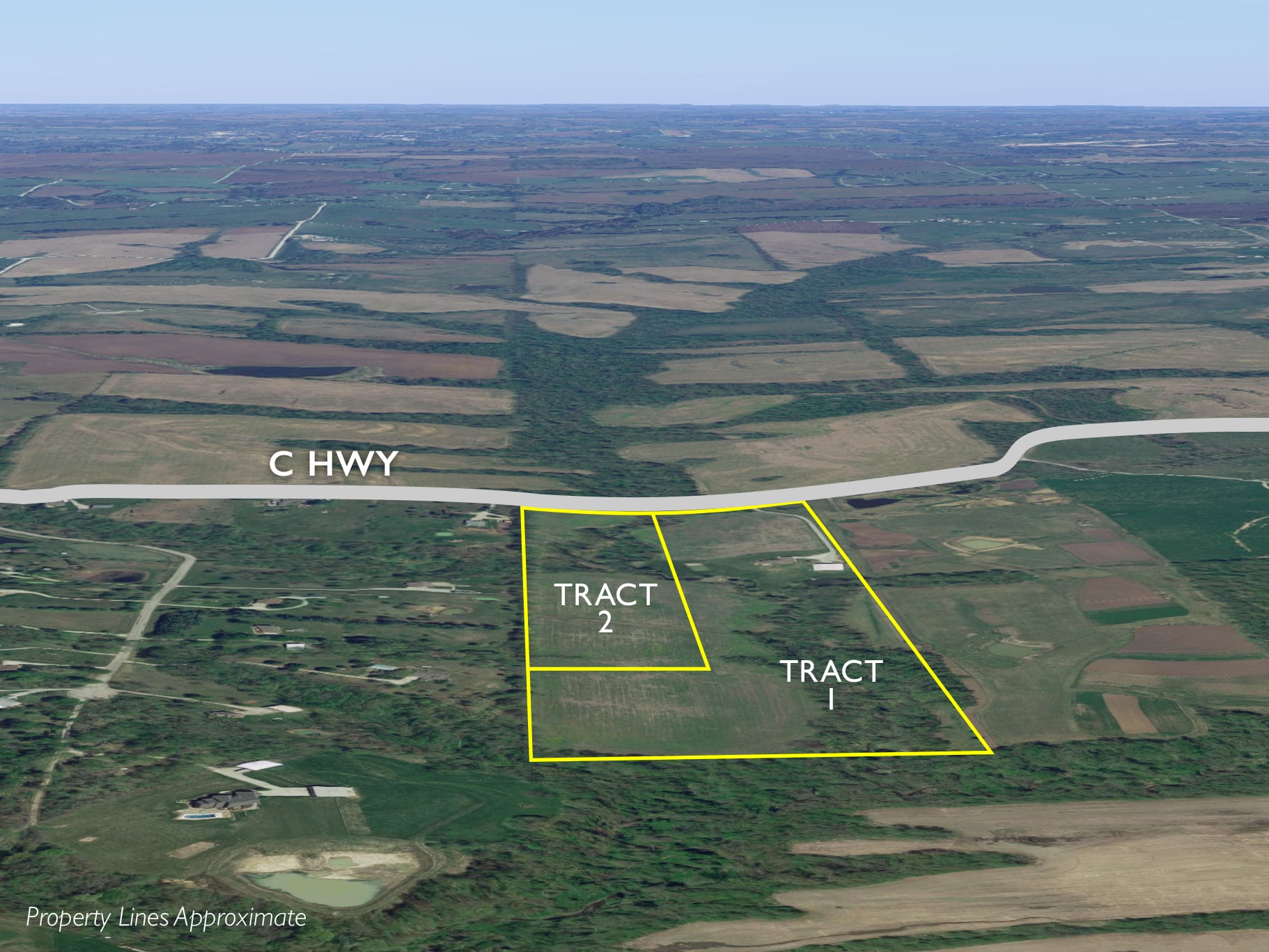
On May 15th, Cates will be selling a home on approximately 43 acres between Kearney and Smithville, Missouri. In this sale the acreage is divided into two tracts allowing buyers to bid on either one or both in combination. Tract 1 consists of 28 acres with a custom-built true ranch home and a 40×84 outbuilding with concrete floor, electricity and heat. Built in 2003, the 2,000 square foot home has three bedrooms, four baths and a walk-out basement. The sellers are moving, so Cates says they chose auction to expedite the process. There is no minimum or reserve on this auction so the home and land will be sold to the highest bidder(s).
For those wanting a little less acreage, on May 29th, Cates will be selling a three bedroom home on 3.3 rolling acres just northeast of Liberty, Missouri. The true ranch home has a large sun/breakfast room addition, an updated kitchen, and three-car garage. The partially-timbered land also has a metal outbuilding. Cates says this is a great way to live close to town but with a peaceful country setting. The real estate, along with the personal property is all being sold at absolute, no reserve auction as an efficient method for settling an estate.
On June 5th, bidders will have the opportunity to compete for a 38-acre country estate complete with wildlife, a 3.5 acre lake, scattered timber, a barn, and a four-bedroom home. (28 of the acres are tillable.) The property even has an 18-hole disc golf course! For those who prefer their golf with clubs and balls, Cates notes that the location is just east of the Tiffany Greens Golf Course which also makes it convenient to shopping, dining and entertainment options. As these sellers are downsizing and selling their lifelong collection of antiques and other personal property as well, they chose auction to simplify the entire process.
Information on all three properties, including photo galleries and open house dates, can be found at CatesAuction.com. The site also provides a complete auction calendar of residential, land, commercial, and personal property auctions taking place in the next 45 days. Owners curious about selling at auction can contact the company at Sold[@]CatesAuction.com or by calling 816-781-1134.
Cates says additional acreage auctions will be announced throughout the summer and fall. While such auctions are certainly part of the legacy of this successful third generation business, when he reflects on similar home and land auctions conducted over the years, Cates is amazed by how much has changed. “My father and grandfather would be thrilled to see the caliber of our professional staff and the leading edge technology we utilize to market properties and extend bidding accessibility. They would certainly be proud of our status as a recognized leader in our industry.”